
As much as we appreciate the clean lines of modern design, we have a soft spot for historic homes. We love building a new home from the ground up, but we’d be the first to tell you we’d rather find a way to save a beautiful old house with character, stories, and, well, history.
Of course, time isn’t always kind to these homes, especially here in the Tampa Bay area. Between the humidity, heavy rain, and summer storms, even a well cared for home can need a little TLC.
A historic home remodel gives you a chance to repair what time and weather have worn down without losing what made you fall in love with the place. It’s a tricky puzzle, and one we
love figuring out.
Here’s how we’d tackle it.
Start With What You Want to Keep
Walk through the house and make two lists: the things you’d miss if they were gone and the things that get in your way every day. The first list might include a staircase, a built-in cabinet, or the trim around the living room windows. The second might include a dark kitchen, a bathroom with no storage, or a back door that opens right into the busiest part of the house.
Share both lists with your design team. If original hardwood runs from the dining room into the kitchen, for example, deciding to keep it early gives your team time to figure out how to patch it where a wall or cabinet comes out.
Find Out What’s Behind the Walls
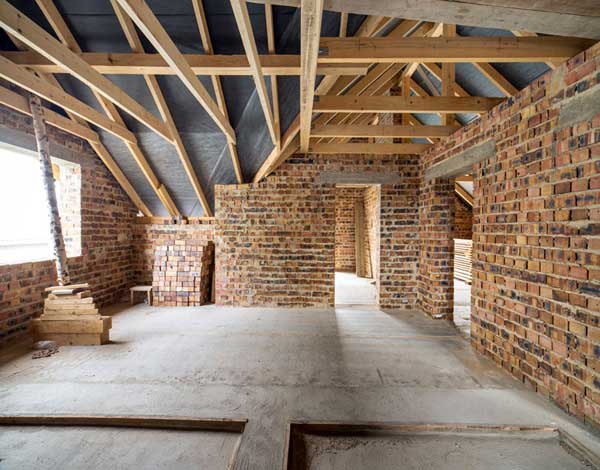
A room can look ready for new cabinets and still need work on the wiring, plumbing, or framing. In Tampa Bay, we’d also look for signs of past water intrusion and termite damage. Ask your contractor what they can assess now and what they may only be able to confirm once work begins. See our video for more tips on renovating a house in Florida.
It helps to talk through what happens if you find something unexpected. If opening a wall reveals damaged framing, who will assess it? How will you get a price for the repair? Build room into the budget for discoveries like these so you can make decisions without immediately cutting something you planned to keep.
Check the Property’s Historic Status Early
An older house and a locally designated historic property aren’t necessarily the same thing. If you’re planning work in Clearwater or elsewhere in Tampa Bay, ask the local planning office whether the property has a historic designation or sits in a designated district. The City of Clearwater’s historic designation page is a starting point for Clearwater homeowners.
Describe the work you’re considering, especially if it involves windows, doors, an addition, or other exterior changes. Finding out whether your plans need a preservation review before you order materials or finalize drawings can save you from paying to make the same decision twice.
Make the New Work Feel at Home
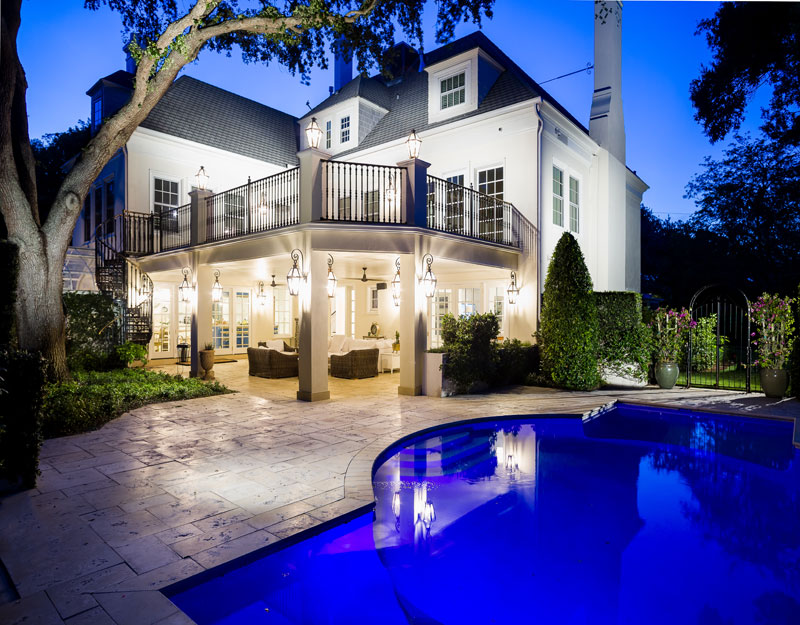
One of our favorite historic home renovation tips is to borrow a detail the house already gives you. If you’re adding a doorway, look at the proportions and trim on the original openings. If you’re redesigning the kitchen, a cabinet door profile or hardware finish can pick up a detail from a built-in elsewhere in the house. You can bring in better lighting, more counter space, and appliances you’ll actually enjoy using while giving the new room a connection to the old ones.
The scale of the work will vary from house to house. On our Harbor Oaks historic home remodel in Clearwater, we replaced the mechanical, electrical, and plumbing systems and reworked the floor plan-and gave them a “showstopper” range. We also built a new front porch and added a brick walkway. Both kinds of work mattered: one changed how the house functioned, and the other shaped how it felt when you walked up to it.
Our Take: Get Your Builder Involved Early
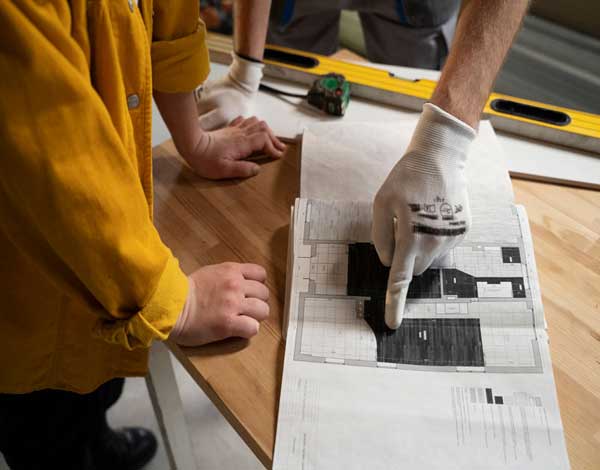
Bring your builder into the conversation while you’re still deciding what to keep and what to change. That’s when it’s easiest to compare options. If moving a doorway would make the kitchen work nearly as well as taking out an entire wall, you’ll want to know before the drawings are finished.
Start by telling your builder what you love about the house and what you wish worked better. Then ask which changes need a scalpel instead of a hammer, and where your budget could make the biggest difference. Sorting that out on paper can save you from making rushed decisions once work is underway. Don’t swing hammers until your plans are done!
If you’re planning a historic home remodel in Clearwater or the Tampa Bay area, contact our team and tell us what you have in mind.